Get The Latest News, Advice & Best Practice From Blog
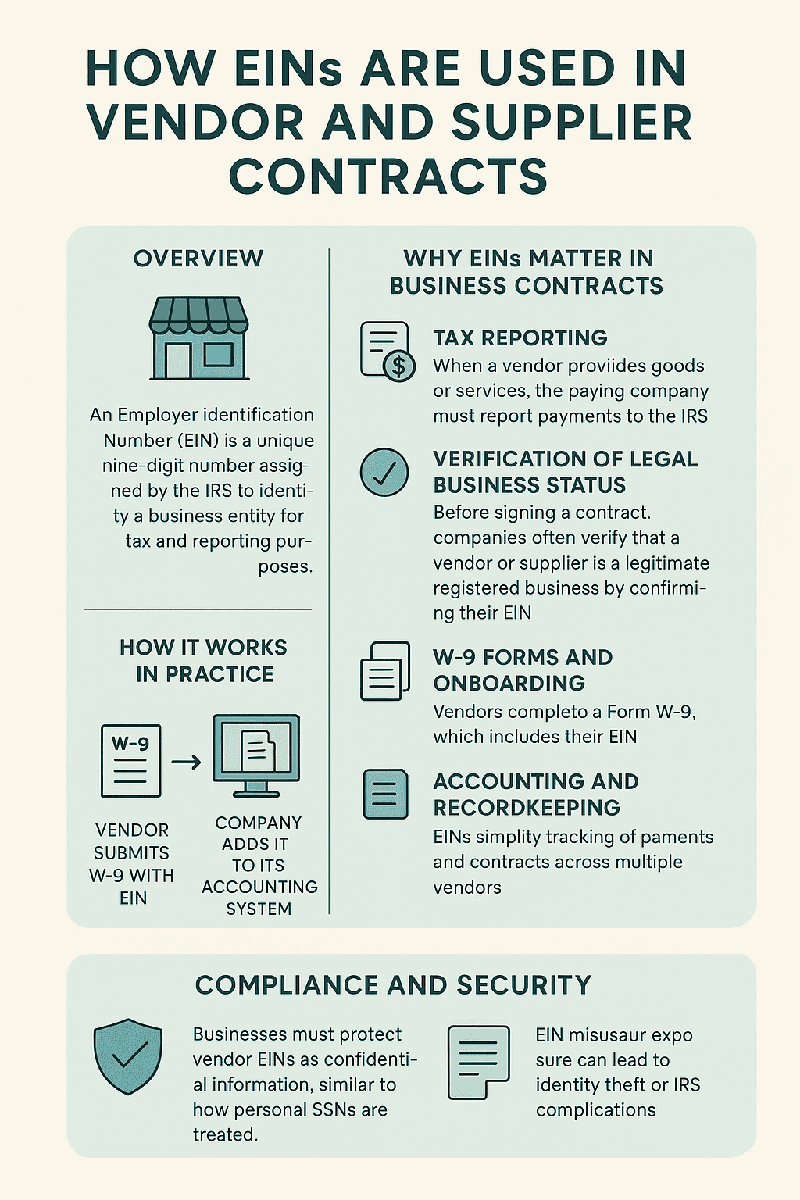
How EINs Are Used in Vendor and Supplier Contracts
An Employer Identification Number (EIN) is a unique nine-digit number assigned by the IRS to identify a business entity for tax and reporting purposes. In vendor and supplier relationships, an EIN functions like a “business ID number,” ensuring legal compliance, tax tracking, and transparent financial documentation between companies.
Oct. 27, 2025, 1:19 p.m.
Read more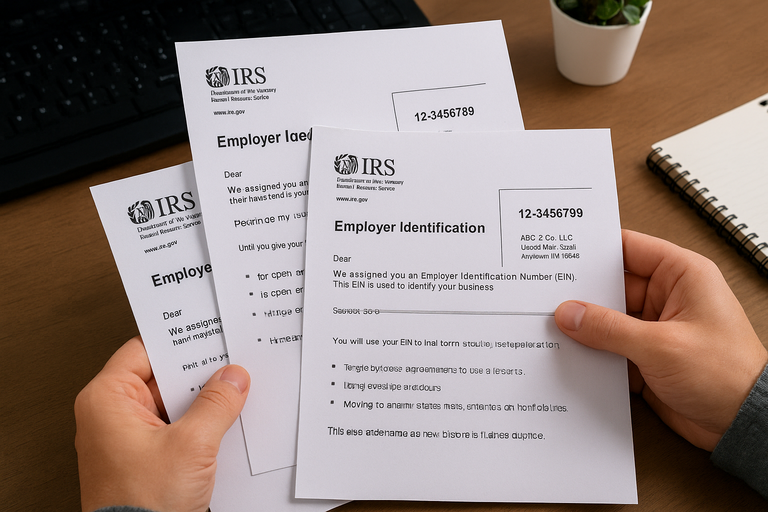
Can You Have More Than One EIN?
When running multiple businesses or making changes to your business structure, you might wonder — can you have more than one Employer Identification Number (EIN)? The short answer is: it depends on your business situation. Let’s break it down.
Oct. 26, 2025, 4:08 p.m.
Read more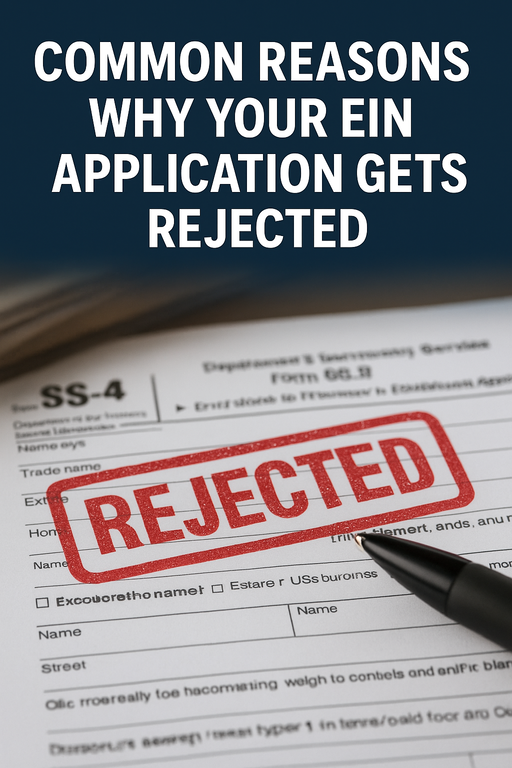
Common Reasons Why Your EIN Application Gets Rejected
Applying for an Employer Identification Number (EIN) with the IRS is usually a quick and simple process — but sometimes, applications get delayed or even rejected. Understanding the most common reasons can help you avoid frustration and get your EIN successfully issued the first time.
Oct. 25, 2025, 4:12 p.m.
Read more
Common Myths and Misconceptions About EINs
The Employer Identification Number (EIN) — sometimes called a Federal Tax ID — is essential for many U.S. businesses. Yet, many entrepreneurs, freelancers, and even small business owners misunderstand what an EIN really is and how it should be used. Let’s clear up some of the most common myths and misconceptions about EINs.
Oct. 24, 2025, 5:59 a.m.
Read more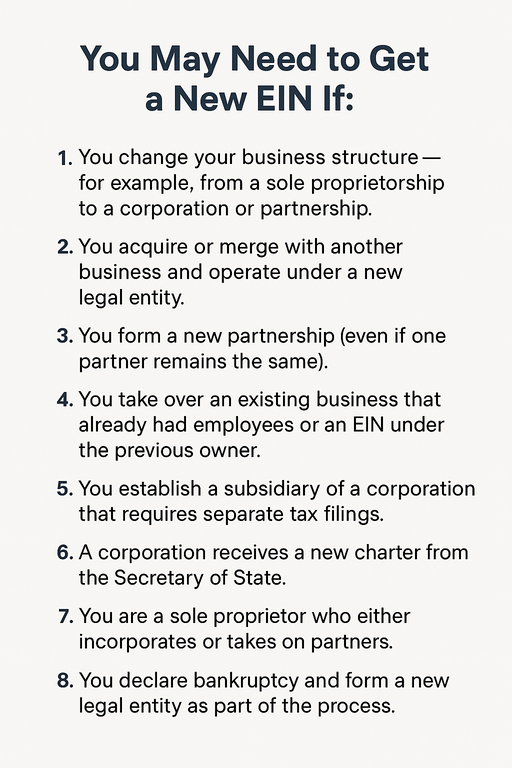
You may need to get a new EIN if:
Good question — let’s go into detail on when you need to get a new EIN (Employer Identification Number) according to IRS rules.
Oct. 23, 2025, 6:41 p.m.
Read more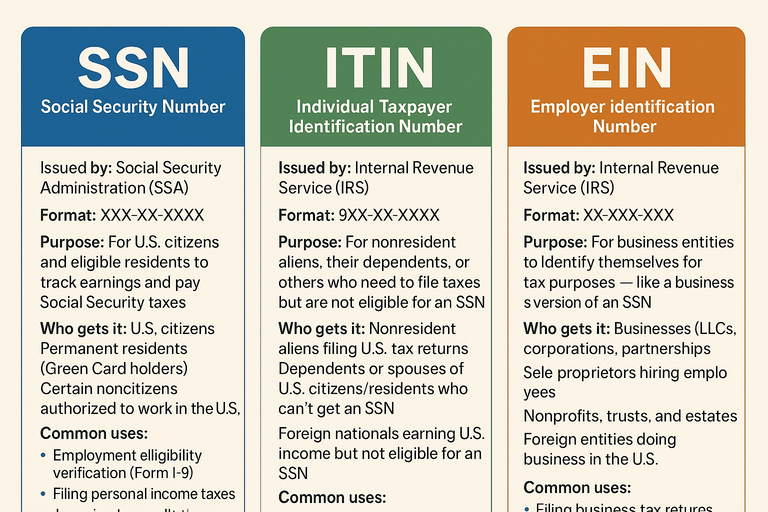
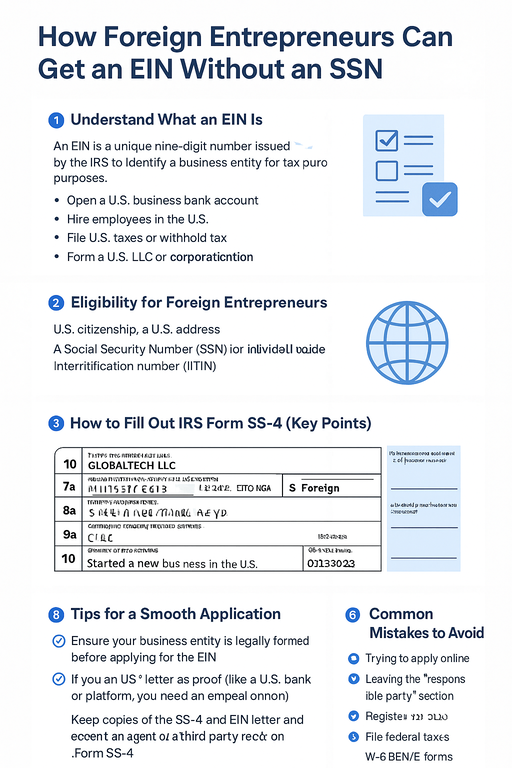
How Foreign Entrepreneurs Can Get an EIN Without an SSN
Here’s a detailed guide on how foreign entrepreneurs can obtain an Employer Identification Number (EIN) in the U.S. without having a Social Security Number (SSN) — ideal for non-U.S. residents who own U.S. companies or plan to form them.
Oct. 21, 2025, 6:25 a.m.
Read more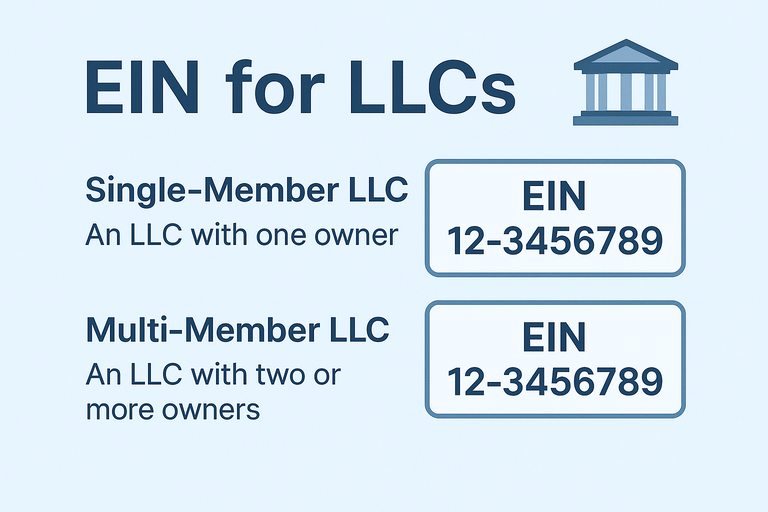
EIN for LLCs (single-member vs multi-member)
Let’s dive into EIN for LLCs, focusing on the differences between single-member and multi-member LLCs.
Oct. 20, 2025, 6:39 a.m.
Read more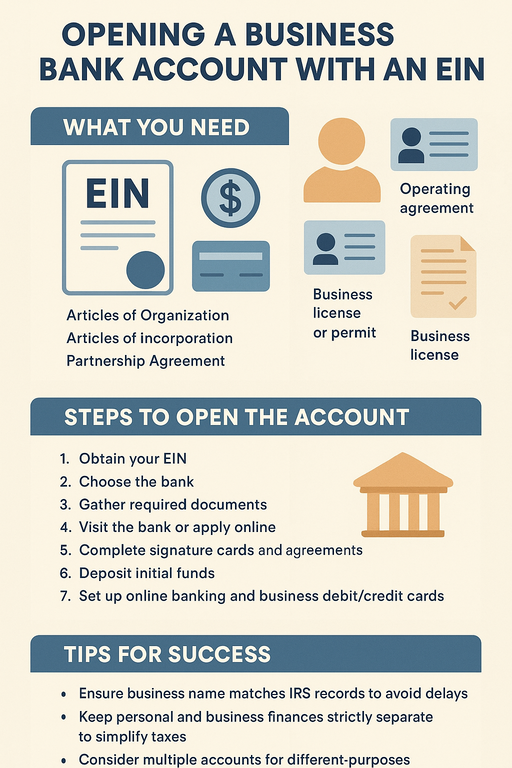
Opening a business bank account with an EIN.
What You Need to open a business bank account using an EIN, most banks require
Oct. 19, 2025, 8:29 a.m.
Read more